
Case Studies
Biogas Renewable Energy
TEAM
Environmental Management Team
Services Provided
Fire-Water Risk Assessment, EPA licensing
Overview of service
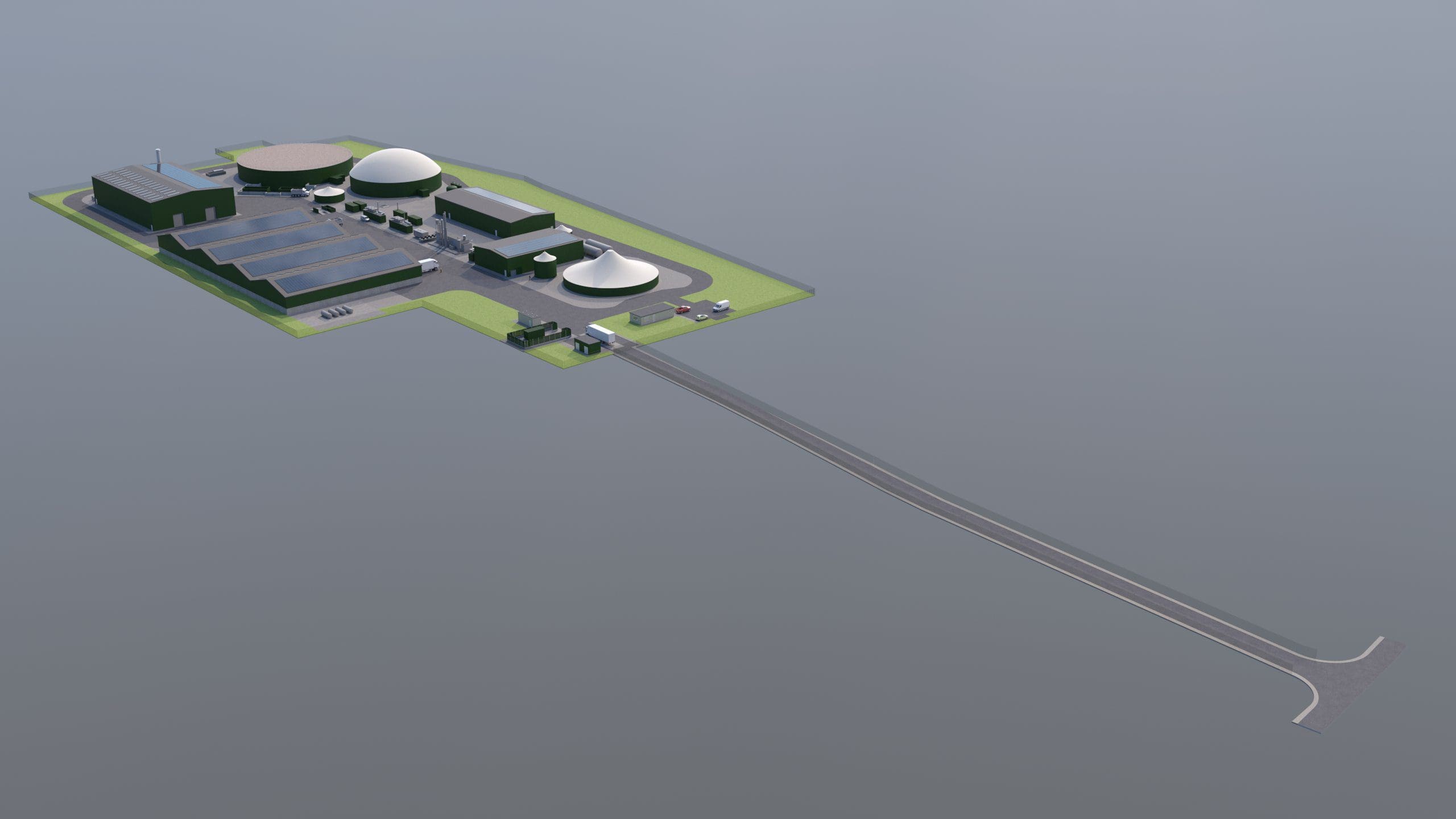
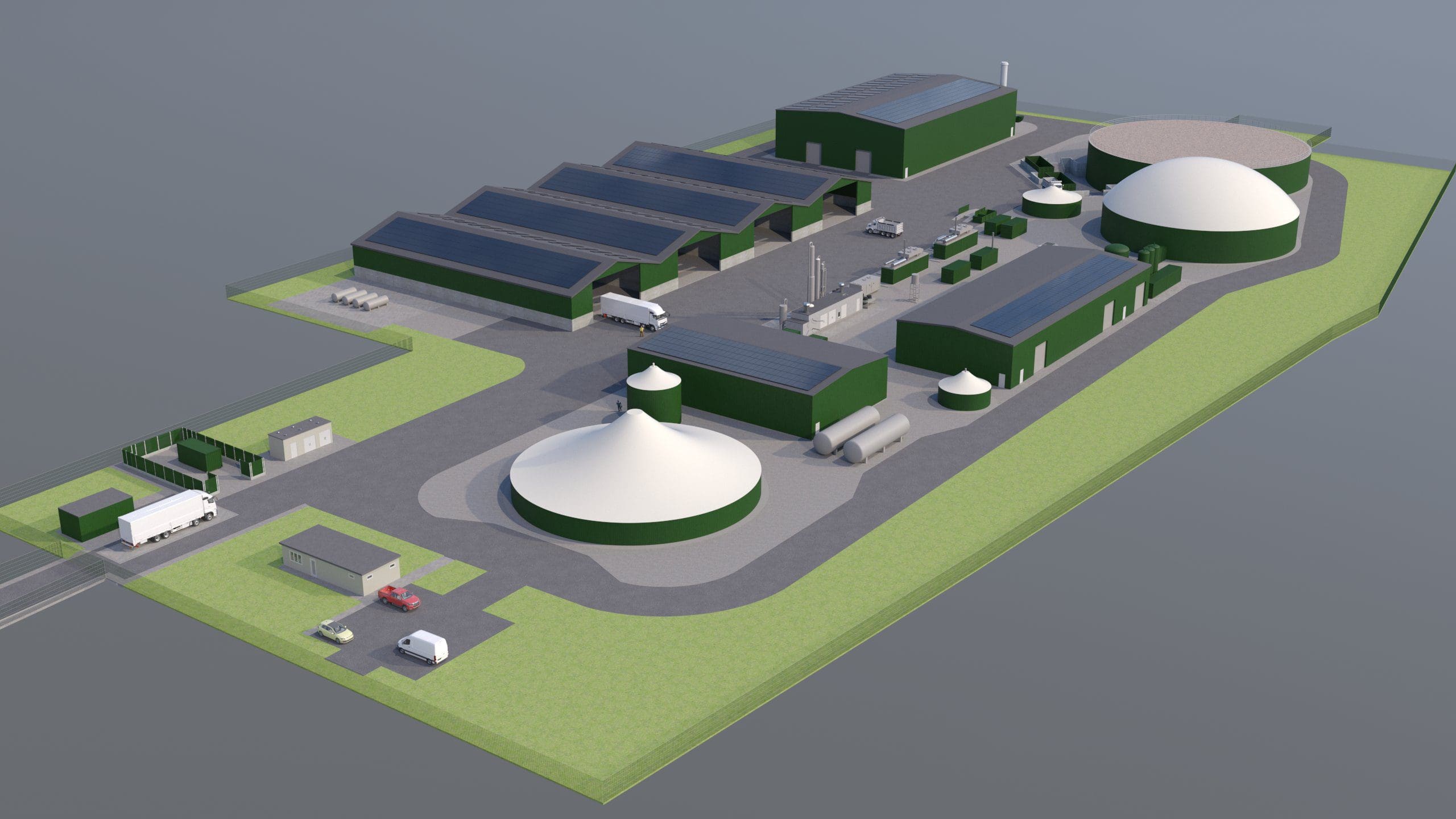
Local Power Ltd. recently engaged ORS to prepare an Environmental Impact Assessment Report (EIAR) in support of an application for planning permission for a 4MW Anaerobic Digestion (AD) Facility in Carnaross, Co. Meath.
The proposed development will be capable of processing 70,000 tonnes of local, sustainably sourced agricultural manures, slurries, and silage feedstock to produce high-quality renewable biogas.
The biogas will be upgraded to biomethane (CH4) to supply the Gas Networks Ireland (GNI) network, whilst renewable Carbon Dioxide (CO2) will be recovered from the biogas upgrading process for sale in the food and beverages industry. In addition, the process will produce digestate, a nutrient-rich organic fertiliser and soil improver to be utilised locally by agricultural operators, thereby displacing the use of chemical fertilisers.

Project Outcome
ORS submitted a comprehensive planning application, including EIAR, Natura Impact Statement and supporting documents. There were no requests for further information in relation to the application. The planners report from Meath County Council stated that: “It is considered that the EIAR gives a fair and reasonable assessment of the likely significant effects of the development on the environment and is considered acceptable.” Full Planning permission for the Biogas facility was granted in May 2023.
The development of a sustainable indigenous Anaerobic Digestion and Biogas industry in Ireland would deliver many benefits, as summarised below:
- Renewable Energy Targets: Ireland has set ambitious renewable energy targets, including a target of 70% renewable electricity by 2030. AD can contribute to meeting these targets by producing renewable biogas, which can be used for electricity generation, heat production, and even as a transport fuel.
- Climate Change Mitigation: AD reduces greenhouse gas emissions by capturing and utilising methane, a potent greenhouse gas, from organic waste sources. The production of biogas through AD can help Ireland to reduce its carbon footprint and transition towards a more sustainable and low-carbon energy system.
- Circular Economy and Waste Management: AD facilitates the conversion of organic waste streams, such as agricultural residues, food waste, and sewage sludge, into valuable biogas and nutrient-rich digestate. This aligns with the principles of the circular economy, where waste materials are recycled and used as resources.
- Agricultural Benefits: The digestate produced as a by-product of AD can be utilised as a nutrient-rich organic fertiliser, improving soil health and fertility in agricultural applications. This can help to reduce Irish farmers’ reliance on imported, carbon-intensive synthetic fertilisers and promote sustainable agriculture practices.


Project challenges
Challenges
Stakeholder Consultation – Consultation is a key element of each stage of the EIA process. ORS managed the successful completion of the EIAR project through consistent and open communication and engagement with all relevant stakeholders, including the public, competent authority, and statutory bodies.
Community Engagement – ORS designed and led a meaningful community engagement process to provide information on the facility’s inhabitants and effectively communicate the potential benefits the facility could have on the local community in the form of employment, high-quality products, and sustainable waste management solutions. An information afternoon was held in the local GAA club where the local community could engage with the project team and voice any of their concerns.
Licencing – With a wealth of industry experience in the biogas and waste sectors, ORS lead the design team providing expert guidance on industry-specific legislative requirements and the associated implications for the project design and development process. ORS guidance during the design phase ensured that the proposed development was designed in accordance with requirements under the Waste Management (Facility Permit and Registration) Regulations, Industrial Emissions Legislation, Animal by Product Regulations and DAFM CN11: Conditions for approval and operation of biogas plants transforming animal by-products and derived products in Ireland.



Related Projects
Talk to A specialist