
What is World Energy Day?
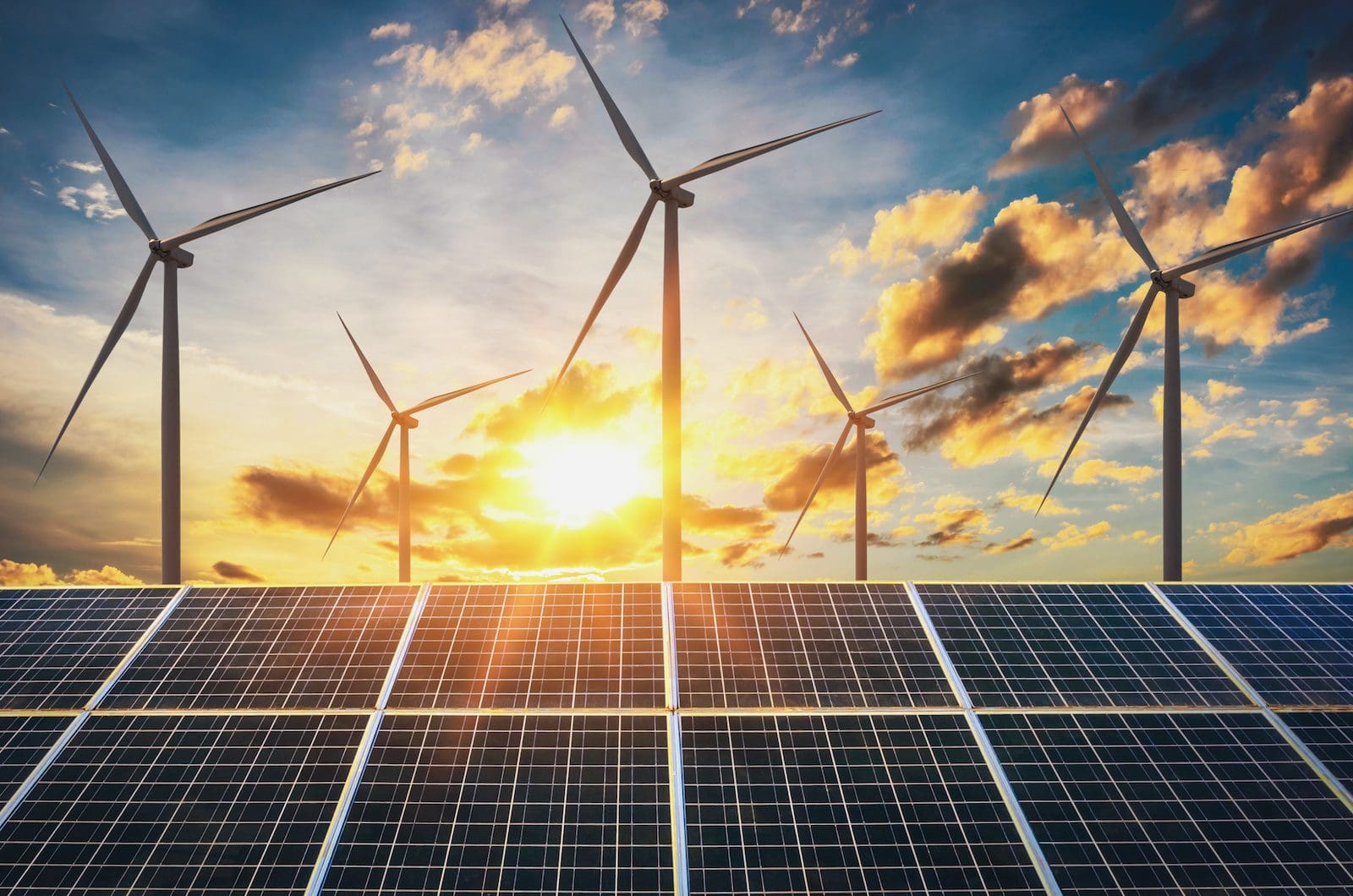
World Energy Day has been celebrated internationally on February 14th since 1949. It is a day with the purpose of raising awareness for the importance of promoting renewable energy in a world which is dominated by the use of harmful fossil fuels for energy. It promotes the transition from traditional fossil fuels to renewable energy sources, such as solar, wind, and biomass, to fight climate change and ensure environmental protection.
What can you do as a business to support this cause?
Reducing Building Energy Needs
The buildings in which businesses operate, whether it be offices, retail spaces, factories, or warehouses, have a long-term impact on energy consumption. Decisions related to the building fabric, including insulation levels in walls and roofs, the performance of windows and doors, and air-tightness, directly influence heating and overall energy demand. Targeted upgrades, such as replacing inefficient lighting systems with high-efficiency LED solutions, can deliver immediate and substantial energy savings while improving lighting quality and reducing maintenance requirements. A range of energy efficiency measures are identified through an energy audit of your business. The ORS Sustainabilty Team can help with this.
Raise Awareness with Staff
Energy performance is not determined by building design alone. Occupant behaviour also plays a significant role. Raising awareness among staff about how energy is consumed within the workplace can lead to meaningful reductions with minimal capital investment. Simple actions, such as responsible use of lighting and equipment, appropriate temperature set-points, and understanding how building systems operate, can collectively have a large impact. Engaging staff through training, clear communication, and visible energy goals helps embed energy efficiency into daily operations and supports long-term cultural change within the organisation.
Implementing Energy Management Systems
Implementing an energy management system allows organisations to monitor, control, and reduce energy consumption more effectively. Establishing procedures for tracking and reporting energy use helps identify inefficiencies and supports informed decision-making, while sharing performance data with staff encourages engagement. Successful implementation requires senior management commitment, a clear energy policy, defined objectives and targets, regular performance review, and the appointment of energy champions to support ongoing improvement.
Make the Switch to Renewable Energy Sources
Once energy demand has been reduced as far as practical, transitioning to renewable energy sources becomes significantly more effective. Renewable technologies such as on-site solar PV or heat pumps can substantially lower a business’s carbon footprint. Importantly, renewables are most impactful when paired with efficient buildings and systems, as this reduces the required system size, capital cost, and reliance on energy infrastructure. ORS engineers can assess site suitability, system sizing, and payback periods, ensuring that your investment in renewables is both environmentally and financially sound.
Conclusion
Supporting the global energy transition begins with understanding how energy is consumed within a business. Reducing energy demand through efficient buildings and informed operational practices is just as important as changing how that energy is supplied. Energy efficiency measures should not be overlooked and should be implemented first, the integration of renewable energy becomes the final step in creating a resilient, cost-effective, and genuinely sustainable energy strategy. For businesses, this approach not only supports global energy goals but also delivers long-term operational and economic value.
Contact our Sustainability team on info@ors.ie or +353 1524 2060 for more information or to arrange an energy audit for your business.