
Winter Bird Surveys in Ireland: When Are They Required?
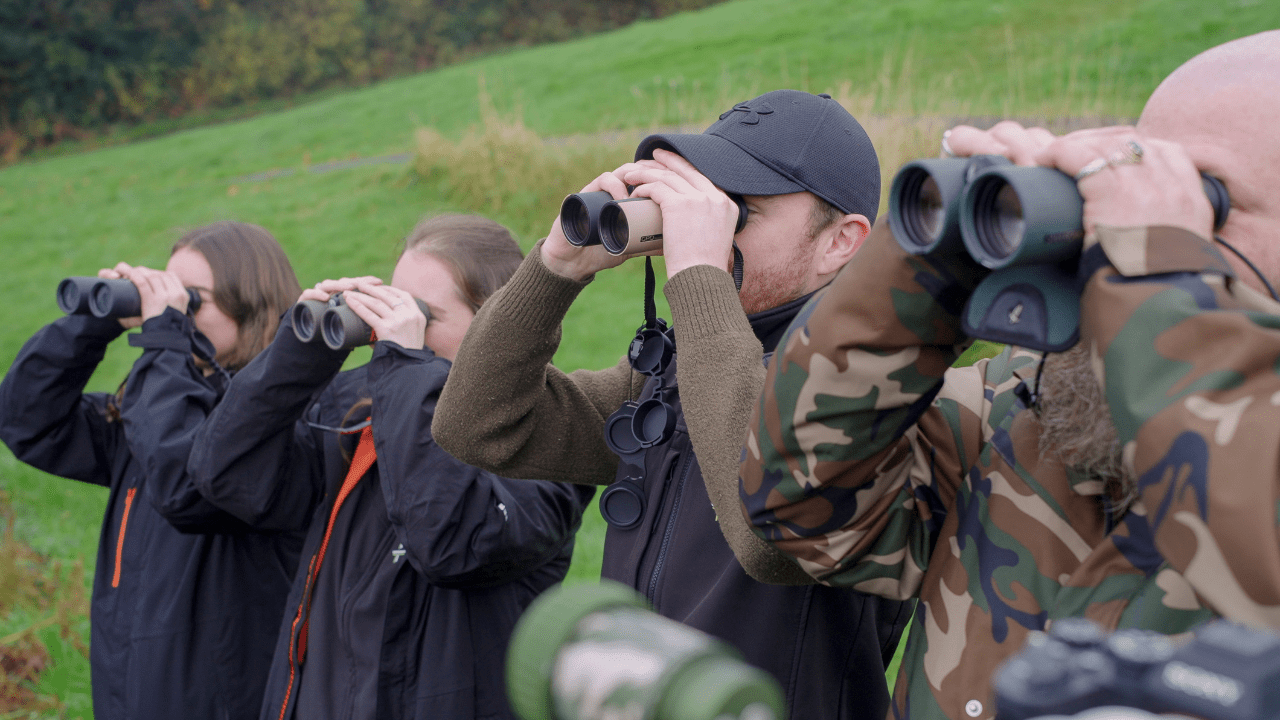
Winter bird surveys assess how birds use a proposed development site and surrounding habitats during the non-breeding season, generally September to March. They provide ecological evidence to inform project design, assess potential impacts and support planning applications.
When Might a Development Need Winter Bird Surveys?
Surveys may be needed where a proposed development could affect important feeding or roosting habitats, species of conservation concern, or bird populations associated with a Special Protection Area (SPA). Not every development requires winter bird surveys. An ecologist can assess the site’s habitats, its connections to protected areas and the proposed works to determine whether surveys are necessary.
Ireland supports internationally important populations of wintering waterbirds, including geese, swans and waders. Land that appears unoccupied or of limited ecological interest may provide a valuable feeding or roosting resource during the winter months.
Key Considerations for Proposed Developments
Winter bird surveys help project teams understand several important aspects of a site:
Species, numbers and habitat use – surveys identify which bird species are present, their abundance and distribution, and how they use the site for feeding, roosting and commuting. This establishes a baseline for assessing the potenital effects of a proposed development.
Species of conservation concern – Survey findings help establish whether a site supports important bird populations, including species of conservation concern.
Disturbance and displacement – Construction noise, lighting, machinery and human activity can disturb wintering birds. Increased recreational activity following development may also affect how birds use nearby habitats. Many geese and swans return to the same feeding ground each winter, making it important to understand the potential consequences of disturbance.
Loss of supporting habitat – Development may remove or reduce the value of fields, wetlands, estuaries or other habitats used by wintering birds. Surveys help determine the importance of these areas to local and wider bird populations, including feeding grounds outside designated site boundaries, often referred to as ex-situ foraging grounds.
Connections to protected sites – Where a proposed development could affect an SPA, winter bird data may be needed to assess potential effects on the bird species for which the site is designated and its conservation objectives. Findings can inform screening for Appropriate Assessment and, where required, a Natura Impact Statement (NIS).
Practical mitigation measures – Survey results can inform habitat retention, buffer zones, lighting design and measures to reduce disturbance. They can also help project teams identify appropriate timing and sequencing for construction activities.
Why Early Survey Planning Matters
Winter bird surveys are seasonal, so identifying survey requirements early is important for project planning and scheduling. If suitable survey periods are missed, the ecological evidence needed to support a planning application may be delayed.
The scope, timing and frequency of surveys should reflect the site, the species likely to be present and the potential effects of the proposed development. Early engagement with an ecologist helps establish an appropriate survey programme and allows findings to inform the design as it develops.
By understanding how wintering birds use a site, project teams can make better-informed decisions, address ecological constraints early and reduce the risk of avoidable redesign or requests for further information during planning.
Winter Bird Surveys in Practice: Regional Sports Centre, Co. Westmeath
ORS undertook winter bird surveys for a proposed regional sports centre on the north-eastern outskirts of Mullingar, acting on behalf of Westmeath County Council.
The surveys recorded 38 bird species, documenting their numbers, behaviour and use of habitats. Combined with desktop analysis, the findings helped establish the site’s importance for non-breeding birds and identify ecological constraints and mitigation requirements.
Early ecological input supported the project’s design and planning process, helping manage programme risks associated with seasonal survey requirements.
Read more about the Regional Sports Centre project.
Discuss Your Project’s Survey Requirements
Planning a development that may affect wintering birds? Contact the ORS Ecology team at info@ors.ie to discuss survey requirements and identify an appropriate survey programme for your site.
Technical review: ORS Ecology Team
Last Updated: October 2026